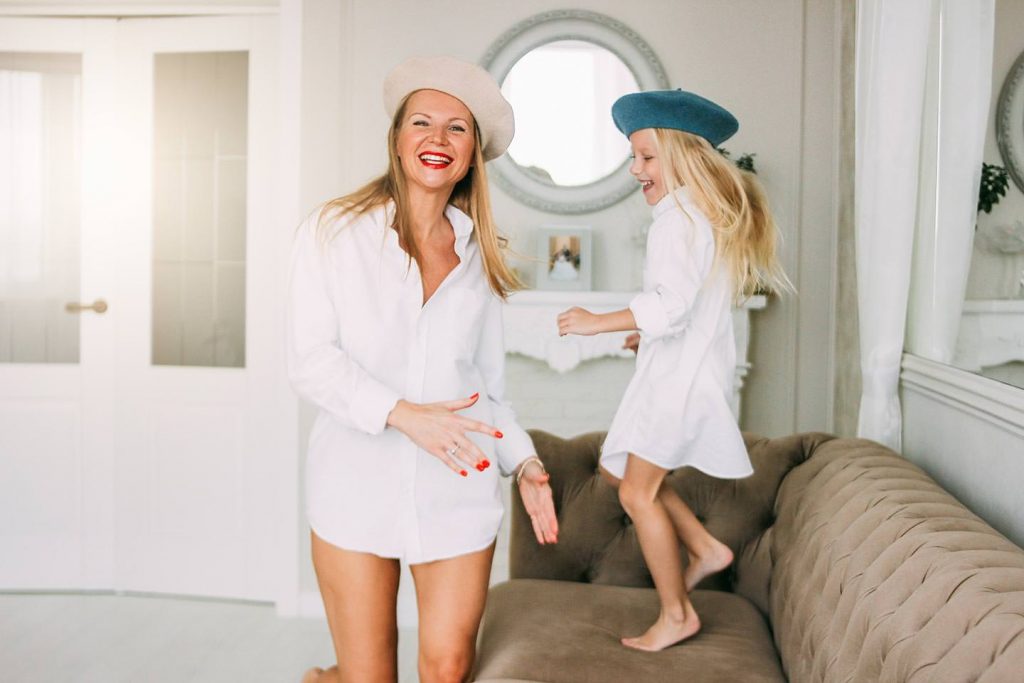
Rewards that make your child giggle
Some children have a quirky sense of humour! A mum was talking to me recently about how brilliant a ‘reward’ for good behaviour had proved in her household. She was able to get her two children to behave all week for the privilege of pushing her in the bath with her clothes on. In fact, this reward proved so popular, her children behaved well for the next fortnight to take it in turns to be pushed in the bath themselves with their clothes on. Become a postive parenting coach.
Showing appreciation
Everyone loves to be rewarded for a job well done. And children are no exception. It doesn’t have to be a big reward – just some recognition and acknowledgement for effort. When children make an effort to behave and improvements are noticed, they feel more motivated to keep trying. When good behaviour gets positive feedback our children feel better about themselves. The reverse is also true- when bad behaviour gets negative feedback children feel bad about themselves, and their behaviour worsens.
No involvement, no commitment
It is best if we have realistic expectations and define small steps that a child can achieve. It also helps if we can get the children on board to help them feel keen to achieve the goals that are set. There is a saying ‘no involvement no commitment’ which is especially true if children feel that they are being controlled or coerced to behave in certain ways. We can explain the importance of the behaviour and how we want to reward them for their efforts.
Realistic expectations
Over time we can increase our expectations as our children rise to the challenge. It may be best to stick to one or two things that we really want to improve, and certainly no more than five things at a time.
For instance, if a child finds it difficult to sit at the meal table, we can set a timer at five minutes initially, and then gradually increase it by two or three minutes each week. Once they are able to sit for twenty minutes at a time, we can increase our expectations of them and redefine the behaviour required to earn the reward. For instance, we can give the reward for our child using their knife and fork but continue to mention how pleased we are that they are able to sit at the table so nicely.
Rules should state the behaviour you want
Rules should be written down as behaviour we want (i.e. Maddie will sit at the table for five minutes each mealtime), not as a negative (such as Maddie will not get down from the table). If it is worded in the negative Maddie hears ‘get down from the table’ and that is what she thinks about. Children (and adults) respond best to positives. Children also respond better when they are expected to achieve a goal, so we need to let them know that we confidently believe that they can do what we are asking.
The best rewards involve you
So what sort of rewards are best? Inexpensive rewards, especially those that involve spending time with our children are the best. As parents, we often think that children are motivated by material goods. However, one of the best rewards is a positive comment with a kiss, hug or pat on the back.
Children thrive when we describe exactly what they did that was good, so verbal praise is a great reward in itself. They also love to spend time with us, so ten minutes playing football in the garden, playing a board game or having a picnic together are good rewards too. Young children also need the rewards to be frequent, so it is best if they are able to earn a reward each day. At the end of this blog is a long list or menu of possible rewards so our children can choose the one they love the best.
When should you reward?
The best rewards are random rewards, which you offer for past good behaviour. However, you child may like to ‘earn’ a reward to help keep them motivated if they can overcome a challenge, such as staying in their bed all night, without calling out.
There are many different ways to keep track of how well our children are doing. One way is to use stickers on a chart, or –my favourite -pieces of pasta in a jar. If behaviour at school is an issue you could also ask for a daily report from your child’s teacher.
One thing to note however is don’t take stickers or pieces of pasta away. If your child has earned a reward, don’t remove it as it just demotivates the child and stops them from trying. The natural consequence will be that the reward takes longer to earn.
Make it fun, but be consistent
And finally, make it fun and enjoyable to earn rewards. We can keep children on track by monitoring how well they are doing and reminding them of all the enjoyment they will have when they get their reward. We need to be quick to praise and reward them as soon as possible. When they don’t quite make it we need to tell them how sad we are, for instance, not to play football with them today – but that we are really hoping we get the chance tomorrow. That way you can be alongside them, and on their team rather than against them.
We cover overhauling your reward system in the calm parenting course in module 1.
50 fun rewards for your child
Here are some reward ideas to consider. Alternatively, get your child to choose their favourite activity to do with you, or make up some of their own:
- Making a cake or biscuits with Mum or Dad
- Choosing an extra bedtime story
- Mum or Dad reading a book in an accent or using silly voices and sound effects
- Making a den in the bedroom, sitting room or garden
- Playing a board game or hide and seek
- Making a mask, hat, collage, door sign, necklace, kite, finger puppet or windmill
- Craft activity: Painting stones, flower pot, picture frame, reward box,
- Decorating a special certificate with stickers
- Making and cooking Pizza for tea
- Drawing pictures with chalk on the patio
- Choosing what to eat or their favourite meal for tea
- Watching a programme on Netflix with Mum or Dad
- Playing football in the garden
- Making smoothies
- Making and playing with Playdough
- Going out for a bike ride
- Getting the paddling pool out
- Pushing Mum or Dad in the bath in their clothes or underwear
- Feeding the ducks
- Playing Frisbee
- Card games
- Trip to the park or farm
- Trip to a museum, gallery, pool or cinema
- Wearing Dad’s tie or Mum’s necklace
- Dressing up
- Doing Mum’s makeup, hair or nails
- Playing a computer game with Mum or Dad
- Staying up late for half an hour on Friday
- Having a family movie night
- Camping out in the back garden
- Going for a night walk with torches
- Choose which music to dance to
- Select an item from the ‘reward box’
- Picnic in the garden, beach or local beauty spot
- Going for a walk or treasure hunt
- Going for a bus or train ride (and maybe buying a treat before returning)
- Taking a neighbour’s (friendly) dog for a walk
- Visiting a toy shop or pet shop for fun
- Outdoor games
- Reading a joke book together
- Setting up a water slide in the garden
- Pillow fight
- Water fight
- Rough and tumble with Mum or Dad
- Playing chase or having a tickle fight
- Painting their face with face paints
- Painting Mum or Dad’s face
- Reading a story in the dark with a torch
- Watching a funny clip on YouTube together
- Mum or Dad making up a story where the child is the hero or heroine
I hope these give you some ideas for rewards you could use. But most importantly, have fun!